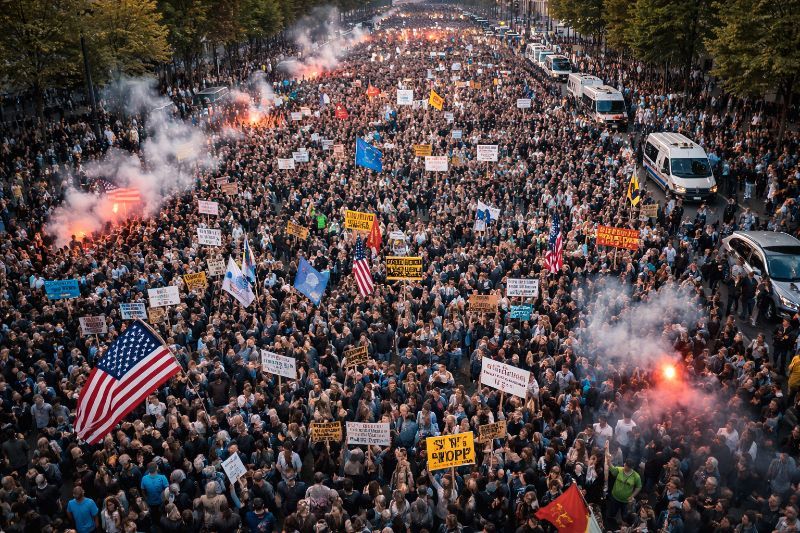
The United Nations Refugee Agency released its annual Global Trends report Thursday, documenting a record 120 million forcibly displaced people worldwide — a figure that has doubled in twelve years and now represents more than 1% of the global population, a statistical threshold that refugee experts describe as a civilizational challenge rather than a humanitarian one.
The Numbers
Of the 120 million displaced, approximately 37 million are classified as refugees under the 1951 Convention definition, meaning they have crossed an international border fleeing persecution or conflict. An additional 63 million are internally displaced within their home countries. The remaining 20 million are asylum seekers whose status is pending determination.
Key Drivers
Three simultaneous crises account for the majority of new displacement in 2025. Ongoing conflicts in several regions added 8.4 million newly displaced people. Climate-related displacement — from flooding, drought, and extreme weather — contributed an additional 3.6 million. Political persecution and authoritarian crackdowns contributed the remainder.
The Hosting Burden
In a pattern that has persisted for decades, the majority of refugees are hosted in low and middle-income countries. The five largest refugee-hosting nations collectively host more displaced people than the entire European Union and North America combined, with significantly fewer resources to provide services.
Financing Gap
The humanitarian response to global displacement is funded at approximately 43% of identified needs — the lowest funding ratio in twenty years. The UNHCR and its partner organizations have issued increasingly urgent appeals to donor governments, with limited results.