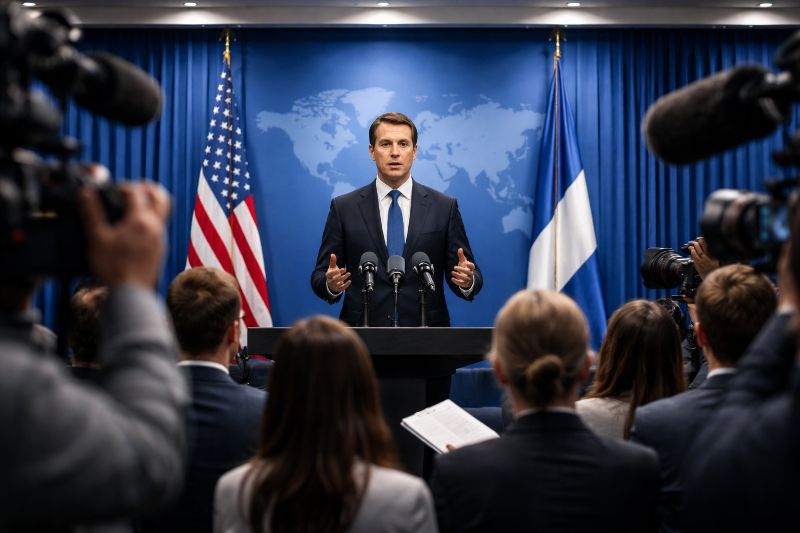

The Secretary of State returned to Washington after four days of intensive diplomatic negotiations, announcing a preliminary framework agreement that both sides describe as a starting point rather than a resolution.
The Framework
The agreement establishes a 72-hour cooling-off period, commits both parties to resume technical-level talks within two weeks, and creates a joint monitoring mechanism to be staffed by neutral third parties. Crucially, it does not address the underlying territorial and sovereignty disputes that triggered the current crisis.
Fragility of the Deal
Independent analysts expressed cautious skepticism. The monitoring mechanism lacks enforcement authority, and both parties have publicly offered conflicting interpretations of key provisions, suggesting that implementation disputes could emerge quickly.
Regional Implications
Neighboring states that had begun mobilizing precautionary defense measures signaled relief but stopped short of standing down fully. Three regional powers issued a joint statement calling for the framework to be converted into a binding treaty within sixty days.
Congressional Response
Members of the Senate Foreign Relations Committee issued a bipartisan statement supporting the diplomatic effort while calling for classified briefings on the security situation. Several senior members indicated they would pursue legislation requiring Congressional authorization before any military commitments could be made in connection with the dispute.